



NEWS stories
Their homes survived the historic LA area wildfires, but a year later they fear living in them
“DANGER: Lead Work Area” reads a sign on a front door of an Altadena home. “May damage fertility or the unborn child. Causes damage to the central nervous system.”
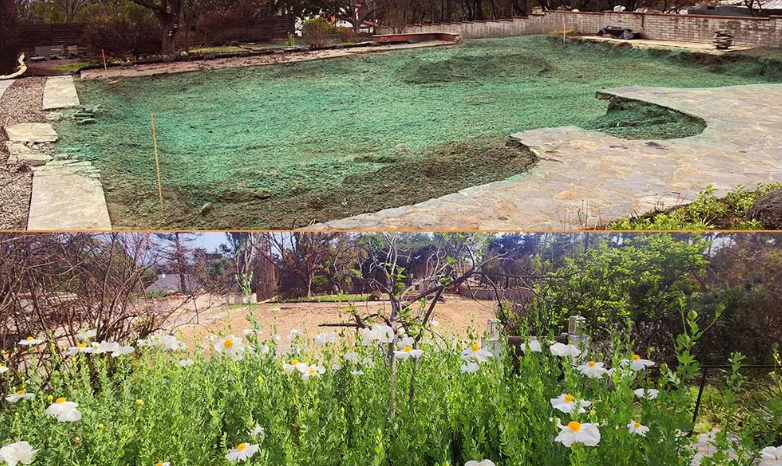
Block after block there are reminders that contaminants still linger.
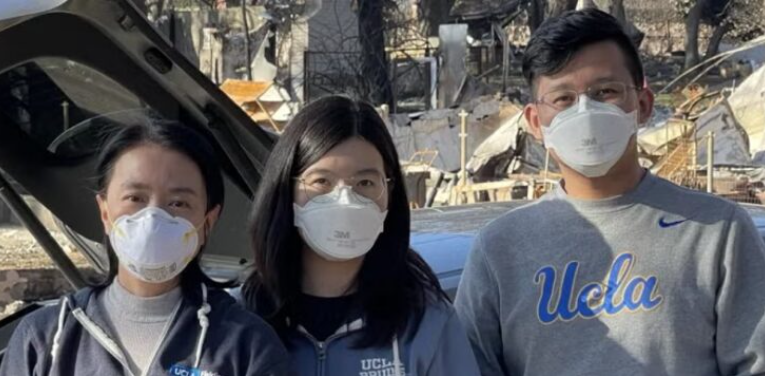
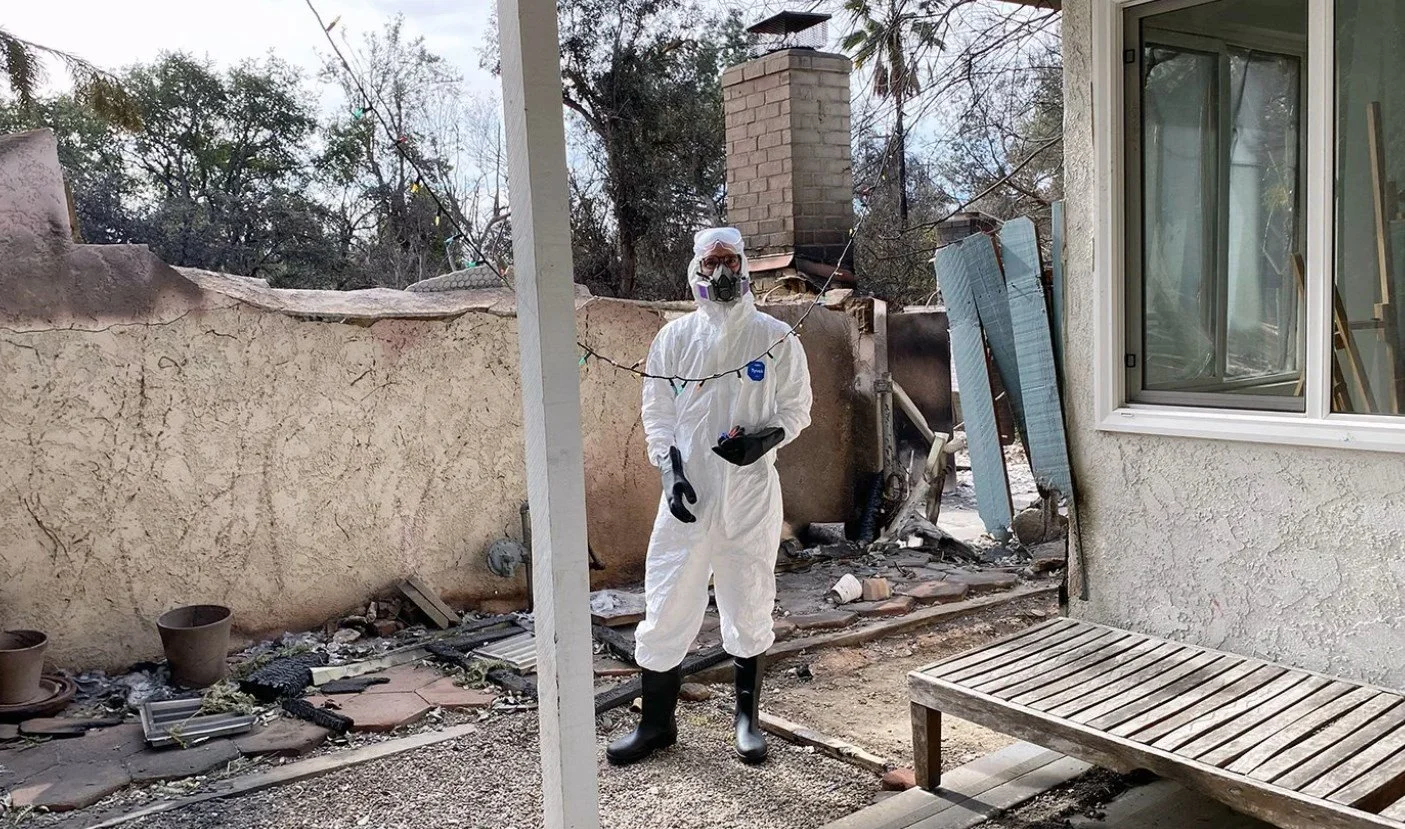
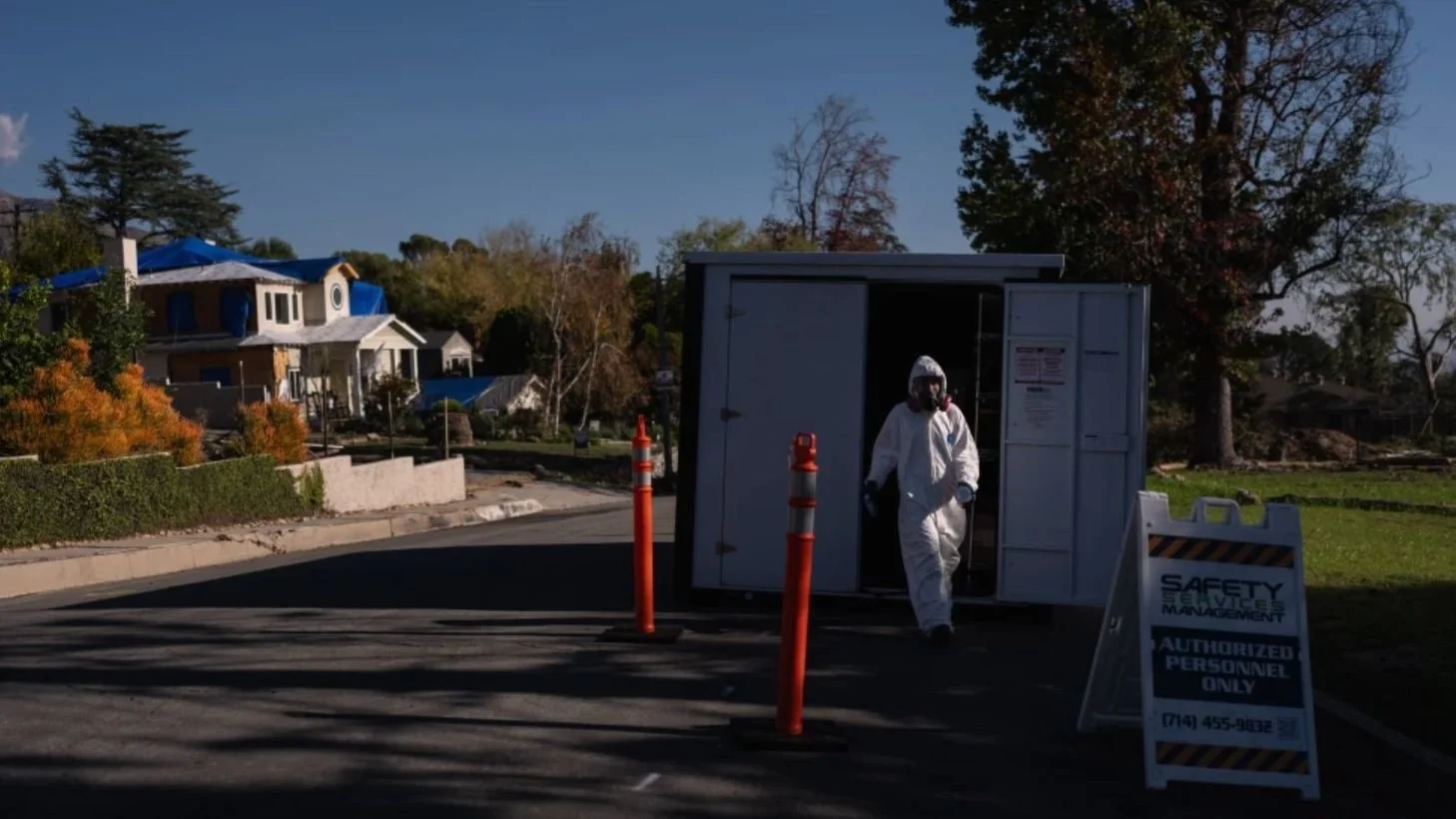
House cleaners, hazardous waste workers and homeowners alike come and go wearing masks, respirators, gloves and hazmat suits as they wipe, vacuum and power-wash homes that weren’t burnt to ash.
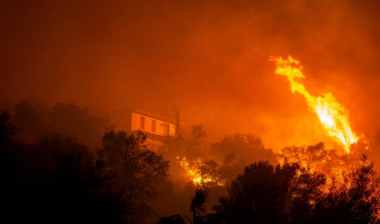
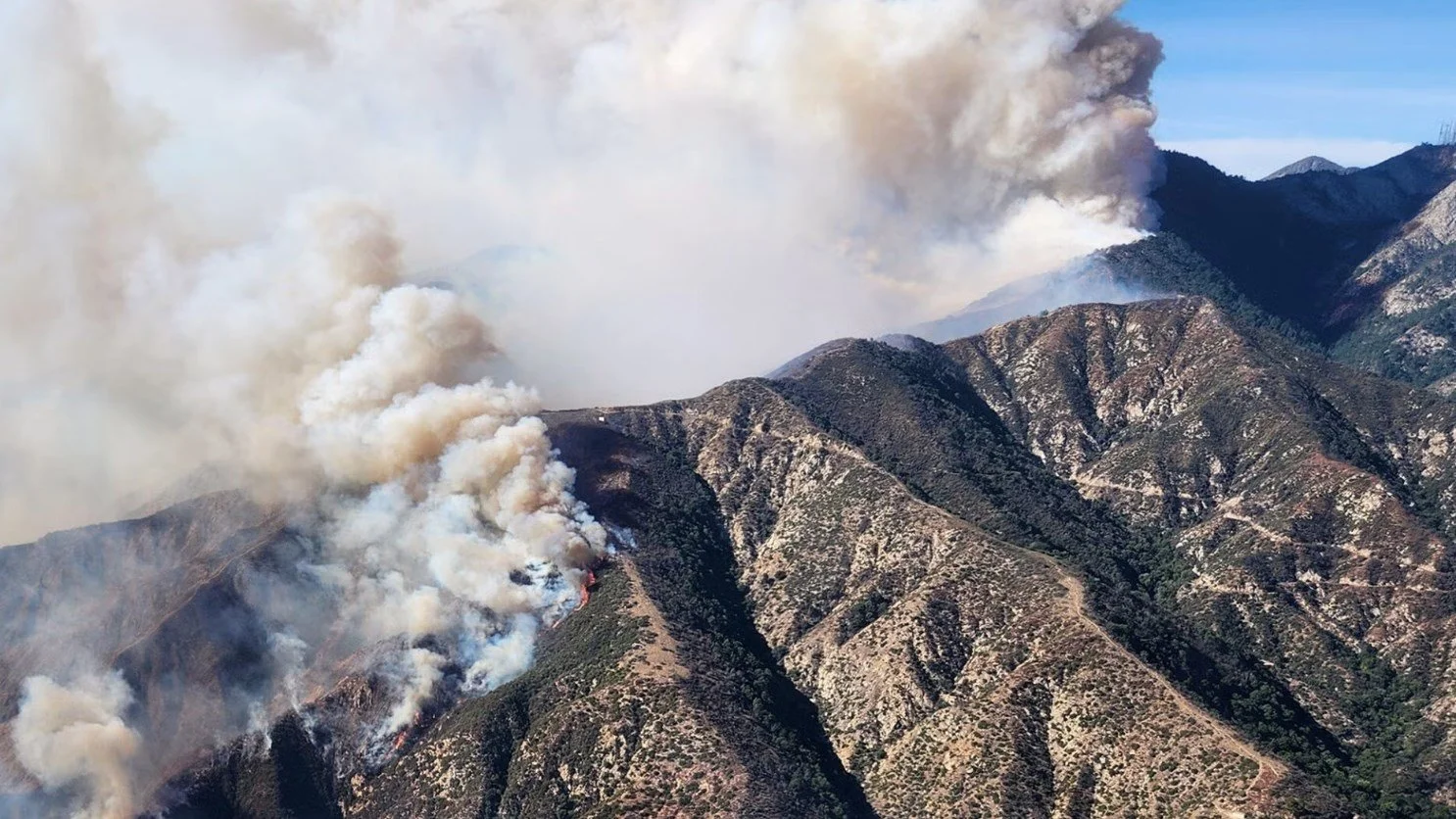
It’s been a year of heartbreak and worry since the most destructive wildfires in the Los Angeles area’s history scorched neighborhoods and displaced tens of thousands of people. Two wind-whipped blazes that ignited on Jan. 7, 2025, killed at least 31 people and destroyed nearly 17,000 structures, including homes, schools, businesses and places of worship. Rebuilding will take years.
These hidden rules reveal how California insurers undercut wildfire claims, leaving families in damaged homes
As flames incinerated whole blocks in Southern California, fierce winds pushed dark, speckled ash through Rossana Valverde’s door frames, windows and vents. Her home stood a short drive from the worst destruction caused by January’s Eaton Fire, but she had gotten lucky: Apart from a singed tree, her property appeared unscathed.
Yet the acrid stench in the bungalow she shared with her husband suggested otherwise. The remains of other people’s homes now permeated hers.
How Did This Family End Up Back in a Toxic House?
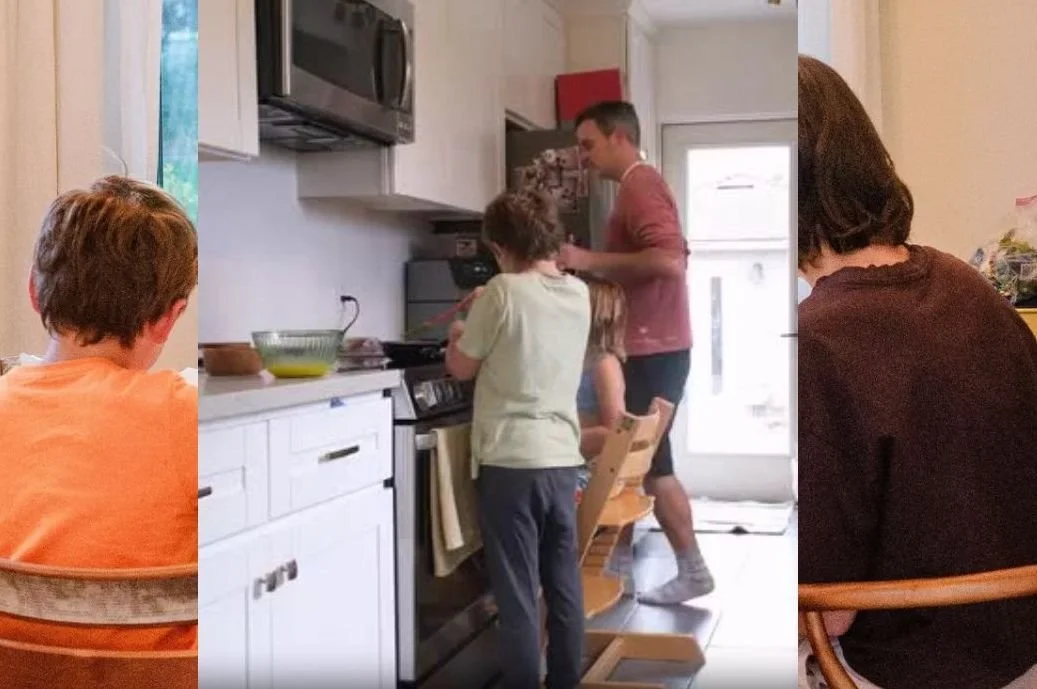
After the Los Angeles fires, their insurer told them they could return home.
L.A. fire cleanups reports describe repeated violations, illegal dumping allegation
Federal oversight reports allege that the main contractor hired to clean up the Eaton and Palisades fires may have illegally dumped toxic ash, reused contaminated soil and cut corners.
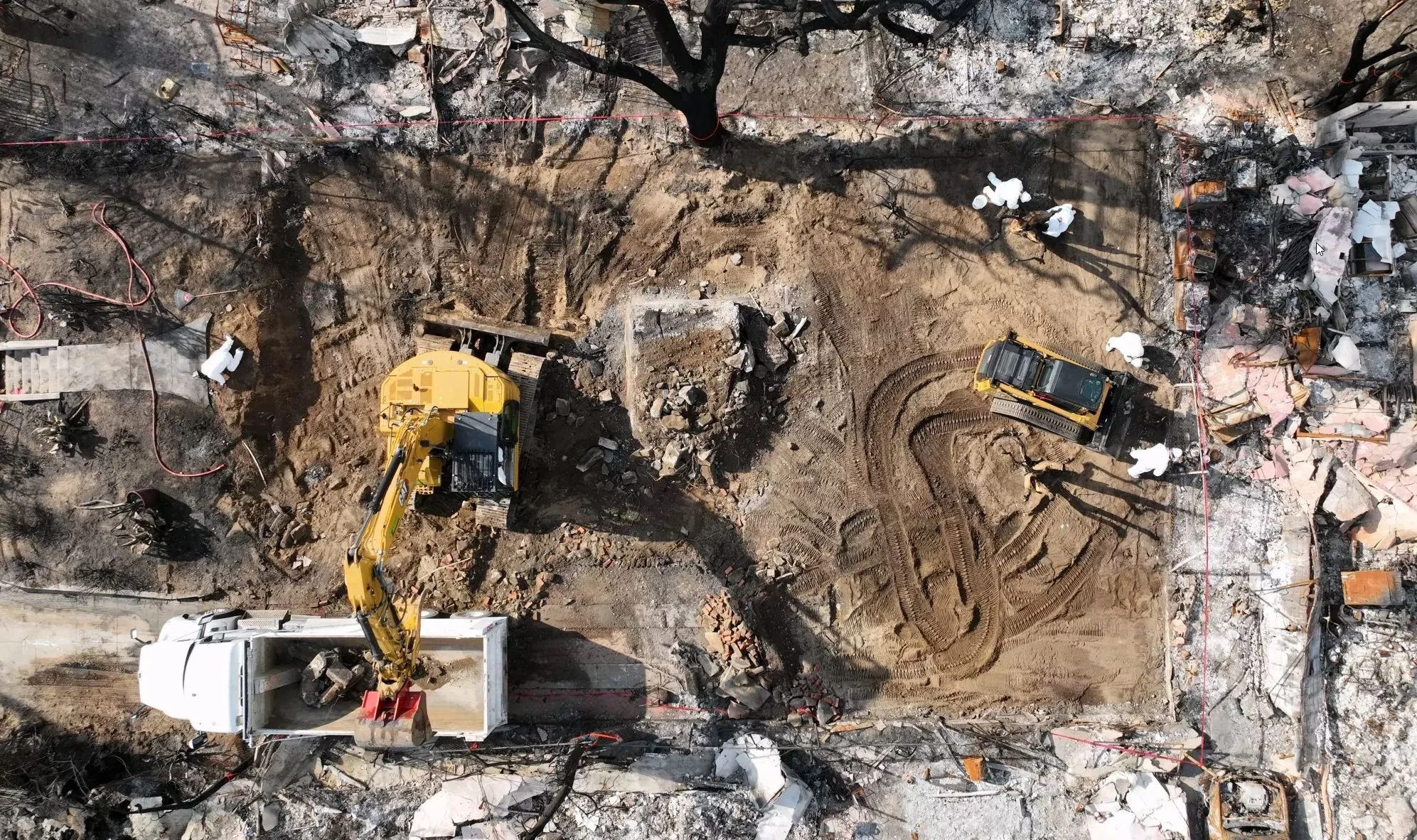
Inspectors documented crews moving fire debris onto neighboring properties, burying ash and burned materials to avoid full removal, re-contaminating “cleared” lots and spraying polluted water into storm drains.
Despite warnings about lead and other toxins, FEMA refused to fund post-fire soil testing. State agencies are noncommittal about how they will handle such testing in the future.
The primary federal contractor entrusted with purging fire debris from the Eaton and Palisades fires may have illegally dumped toxic ash and misused contaminated soil in breach of state policy, according to federal government reports recently obtained by The Times.
After the L.A. County fires, heart attacks and strange blood test results spiked
Emergency room visits for heart attacks at Cedars-Sinai Medical Center jumped 46% in the 90 days after the fire, and unusual blood test results more than doubled.
The new findings are part of a research project documenting the fires’ long-term health effects.
Researchers believe the fires’ true death toll is much higher than the 31 documented fatalities related to injuries.
With Altadena burning, L.A. County lacked satellite mapping tool used by other agencies
The L.A. County Fire Department lacked access to FireGuard, a satellite mapping tool other California agencies have used for years to track wildfires.
During the Eaton fire, when aircraft were grounded, officials couldn’t see the fire’s westward advance — relying instead on ground observations in heavy smoke.
FireGuard data showed fire advancing toward west Altadena hours before evacuation alerts were issued, where nearly all 19 Eaton fire deaths occurred.
When the Eaton fire broke out in the foothills near Altadena, the Los Angeles County Fire Department did not have access to a satellite-based fire-tracking program regularly used by other agencies, depriving officials of intelligence that could have been helpful in determining evacuations.
The Hidden Toll of Wildfire Smoke: It’s Time Insurers and Lawmakers Treat Smoke Damage as Deadly
Our client, Luis Cazares, thought he was lucky.
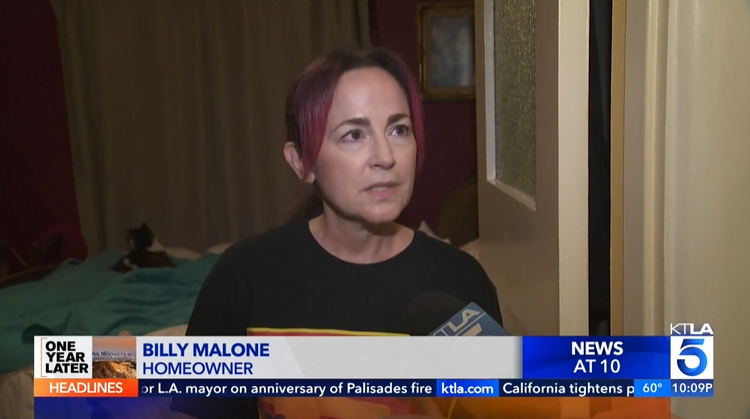
When the Eaton Fire tore through the foothills of Altadena, his home—unlike many of his neighbors—was still standing. But relief didn’t last. The air inside was thick with chemicals, ash, and toxins. Within minutes, he felt sick. Smoke had soaked into walls, furniture, and ventilation system, rendering the house unlivable.
Luis isn’t alone. Thousands of Californians returned to homes spared by flames but poisoned by smoke. A 2025 JAMA study found that Los Angeles County experienced over 440 excess deaths following the Eaton and Palisades fires, far beyond the 31 official fatalities. And analyses summarized by the Salata Institute at Harvard link wildfire smoke to dramatic spikes in out-of-hospital cardiac arrests, in some cases reaching 70% above baseline during heavy-smoke periods.
California is drafting new rules for wildfire smoke cleanup. Are home insurers calling the shots?
As the Los Angeles wildfires died out in January, firefighters trekked through the burn zones to take stock of the destruction. For every home they found leveled, they counted another still standing. The structures looked fine from the outside, but ash and oily soot often coated the floors and furniture, while invisible chemicals burrowed into clothes, blankets and even walls.