NEWS stories
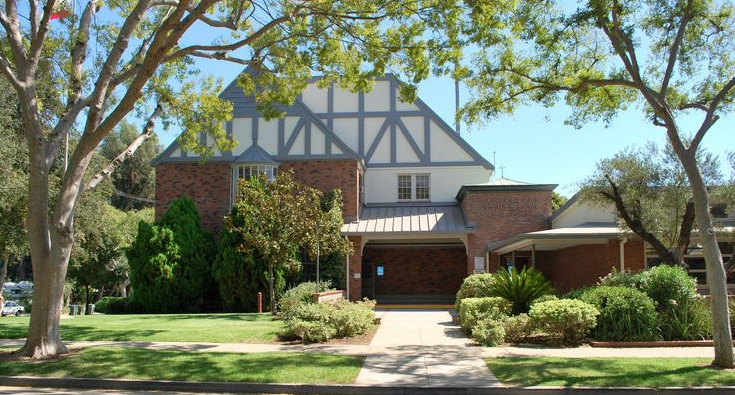
Pasadena Unified Details Toxic Soil Removal Plans for San Rafael Elementary School Campus
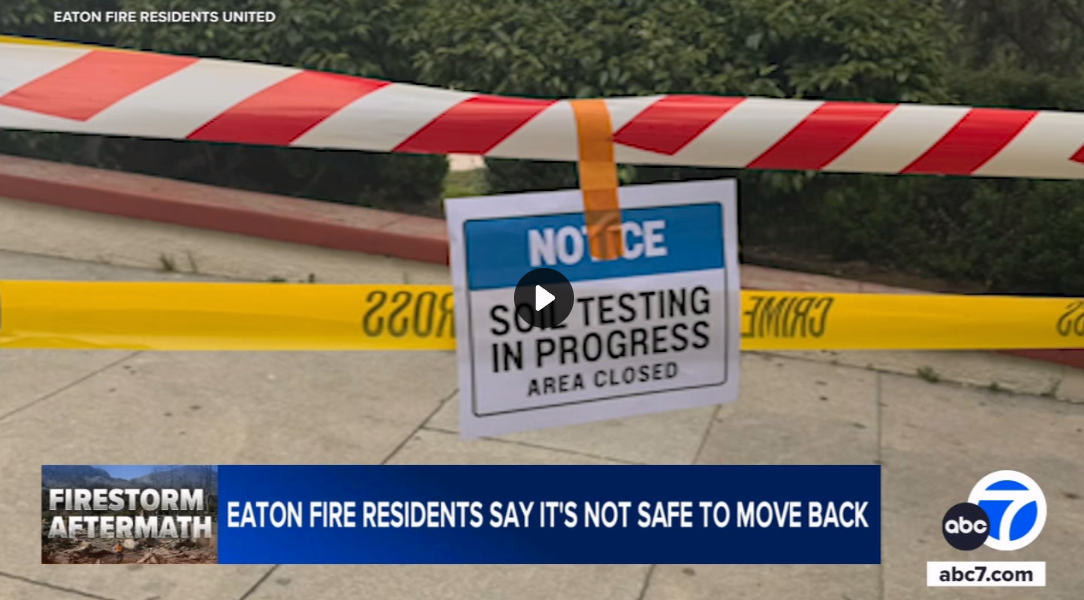
Pasadena Unified School District said new soil testing at San Rafael has confirmed the need for soil removal and replacement after City of Pasadena Public Health Department (PPHD) county-recommended post-Eaton Fire sampling found lead at concentrations exceeding Department of Toxic Substances Control screening levels in two Pasadena communities within district boundaries, according to information the district released Friday.
The district said the additional testing followed Los Angeles County Department of Public Health soil sampling results. Pasadena Unified conducted additional soil testing across all campuses, and initial testing at San Rafael identified areas of soil requiring additional assessment within the play field and two planter areas along the north and east boundaries of the school.

Huge budgets cuts, enrollment drops: Pasadena schools struggle to rebuild after Eaton fire
Five public or charter schools burned or sustained severe damage in the Eaton fire, and about 1,100 Pasadena Unified students lost homes.
Teachers deploy art and music programs to help students cope with the trauma of the January blaze.
School board members of Pasadena Unified, which faces a multimillion-dollar deficit, voted to approve $24.5 million in budget cuts for the 2026-27 academic year.

After the L.A. County fires, heart attacks and strange blood test results spiked
Emergency room visits for heart attacks at Cedars-Sinai Medical Center jumped 46% in the 90 days after the fire, and unusual blood test results more than doubled.
The new findings are part of a research project documenting the fires’ long-term health effects.
Researchers believe the fires’ true death toll is much higher than the 31 documented fatalities related to injuries.
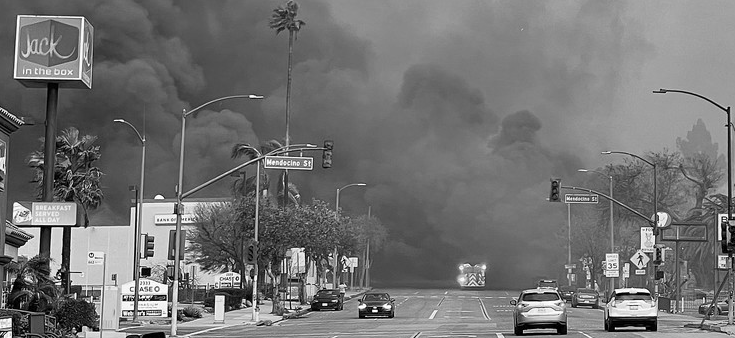
The Hidden Toll of Wildfire Smoke: It’s Time Insurers and Lawmakers Treat Smoke Damage as Deadly
Our client, Luis Cazares, thought he was lucky.
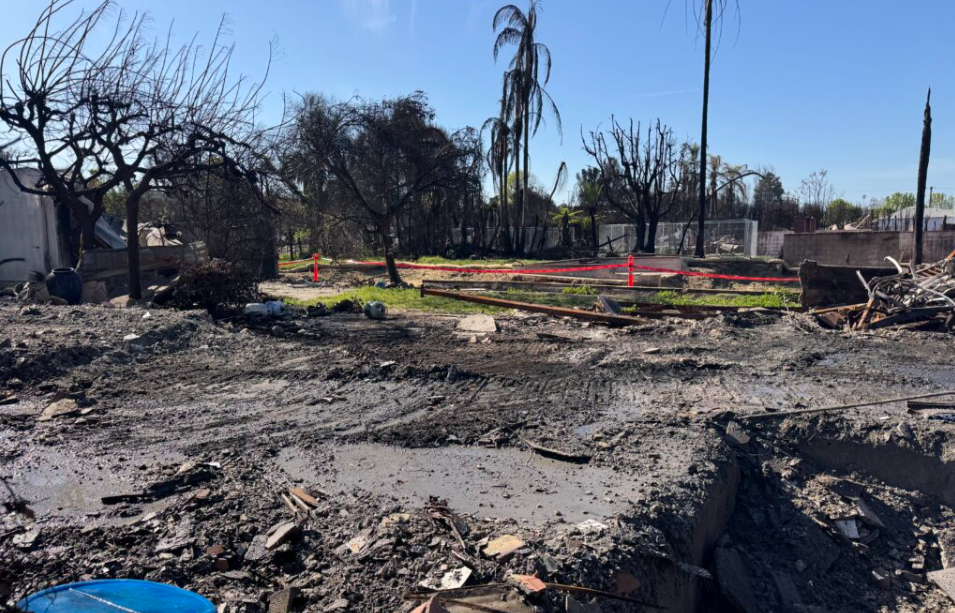
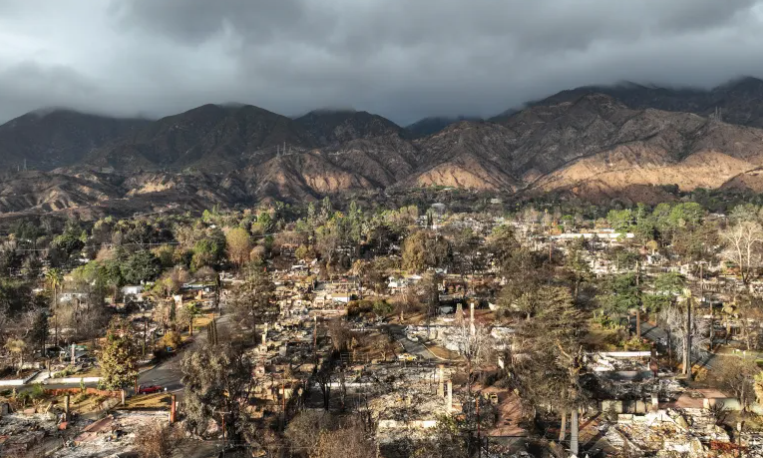
When the Eaton Fire tore through the foothills of Altadena, his home—unlike many of his neighbors—was still standing. But relief didn’t last. The air inside was thick with chemicals, ash, and toxins. Within minutes, he felt sick. Smoke had soaked into walls, furniture, and ventilation system, rendering the house unlivable.
Luis isn’t alone. Thousands of Californians returned to homes spared by flames but poisoned by smoke. A 2025 JAMA study found that Los Angeles County experienced over 440 excess deaths following the Eaton and Palisades fires, far beyond the 31 official fatalities. And analyses summarized by the Salata Institute at Harvard link wildfire smoke to dramatic spikes in out-of-hospital cardiac arrests, in some cases reaching 70% above baseline during heavy-smoke periods.
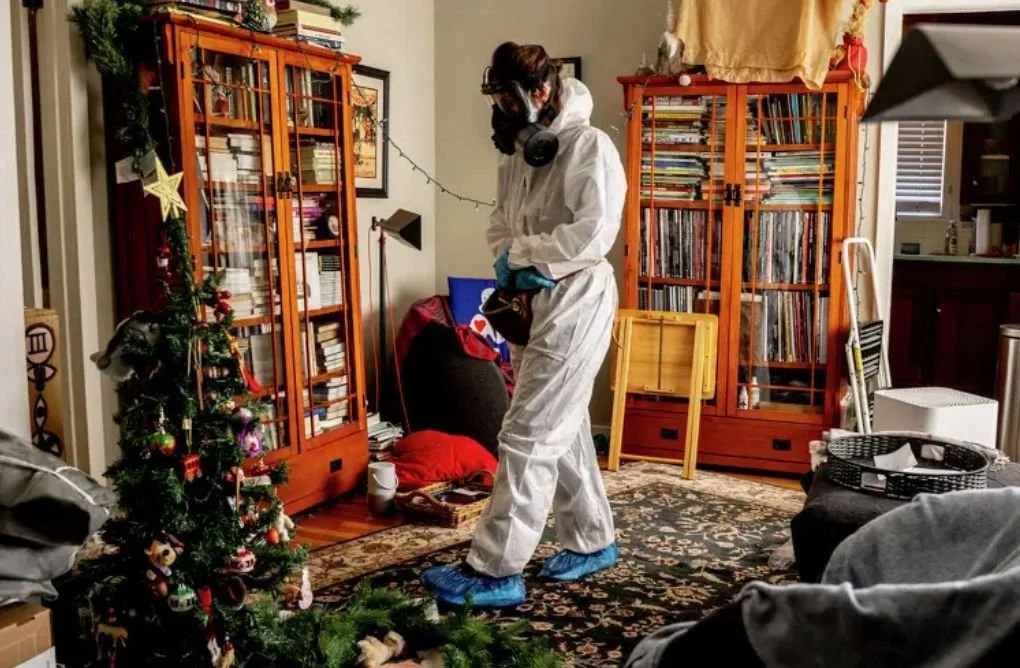
California is drafting new rules for wildfire smoke cleanup. Are home insurers calling the shots?
As the Los Angeles wildfires died out in January, firefighters trekked through the burn zones to take stock of the destruction. For every home they found leveled, they counted another still standing. The structures looked fine from the outside, but ash and oily soot often coated the floors and furniture, while invisible chemicals burrowed into clothes, blankets and even walls.